
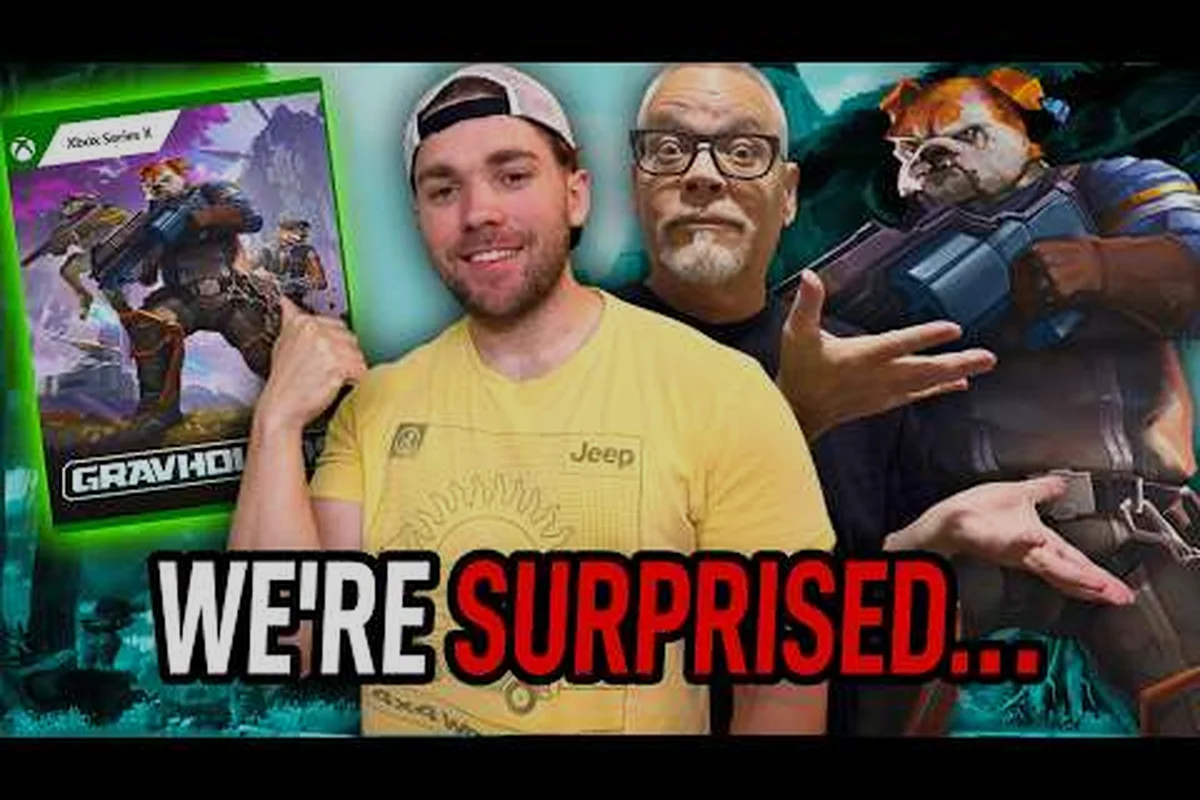
A reliable gravhounds tier list guide matters because team strength depends on more than raw damage; role synergy, mobility, crowd control, and survivability can determine whether a squad survives an extract. This early access meta guide ranks the available canine roles by their practical value in solo and four-player runs, explaining how community consensus and Reddit discussion translate into useful team compositions. Each placement reflects current early access balance rather than a permanent verdict, so players can compare a high-damage hound against support-focused alternatives without overlooking the needs of the whole squad.
How the gravhounds tier list guide evaluates every canine
A useful tier list must describe what a canine contributes rather than declare one universal winner. This gravhounds tier list guide evaluates each crew member through survivability, damage consistency, crowd control, team utility, and the reliability of their recovery options.
| Evaluation factor | What the ranking measures | Why it matters |
|---|---|---|
| Damage output | Pressure against groups and priority targets | Improves the pace of difficult encounters |
| Survivability | Damage tolerance and recovery reliability | Prevents one mistake from ending a run |
| Crowd control | Slows, interrupts, or redirects enemies | Creates safer opportunities for the whole team |
| Team utility | Support value and coordination potential | Makes a canine stronger in cooperative play |
| Flexibility | Number of situations handled effectively | Reduces the need for constant roster changes |
A canine ranks highly when it scores well without depending on one narrow mechanic. Because early access balance can change, the ratings in this gravhounds community tier list should be treated as a current snapshot based on community testing rather than a permanent verdict.
Tier definitions for the gravhounds community rankings
These tiers reflect a canine’s practical value in a normal GRAVHOUNDS mission rather than an absolute measure of usefulness. For example, a C-tier hound may lack the raw stopping power of an S-tier pick but still provide better reconnaissance or role coverage against a specific enemy composition. Likewise, an A-tier specialist can outperform an S-tier generalist when its class bonuses align with the squad’s mission objective and teammates create openings for it. Enemy density, objective timing, and coordinated team play therefore matter as much as the label itself.
| Tier | Meaning | Recommended role |
|---|---|---|
| S | Exceptional balance and major impact | Anchor a core team composition |
| A | Strong generalist with clear strengths | Build most early access teams around |
| B | Reliable specialist or situational performer | Pair with complementary picks |
| C | Niche option with meaningful limitations | Use when the encounter calls for it |
| D | Experimental or underperforming option | Test in low-risk situations first |
This tier list explained approach keeps the categories consistent: S and A picks can anchor a team, while B through D characters are more likely to depend on specific conditions. A player should compare this page with the current GRAVHOUNDS tier list when seeking a shorter snapshot of character placements.
Best canine placements in the gravhounds community tier list
High placements in the GRAVHOUNDS community tier list reflect more than raw damage: a canine needs to survive chaotic encounters while still delivering repeatable value. The strongest options pair survivability with flexible crowd control, such as interrupting enemy movement to protect teammates, or provide team-wide support that remains useful in a four-player squad. These traits explain why the table distinguishes broad combat consistency, exceptional team utility, and durable frontline presence rather than ranking characters on a single combat statistic.
| Rank | Canine placement | Primary strength | Best team context |
|---|---|---|---|
| 1 | S-tier canine | Broad combat consistency | Any coordinated squad |
| 2 | S-tier canine | Exceptional team utility | Four-player support compositions |
| 3 | A-tier canine | High damage potential | Aggressive solo or paired runs |
| 4 | A-tier canine | Durable frontline presence | Teams needing reliable protection |
| 5 | A-tier canine | Flexible crowd control | Mixed enemy groups |
| 6 | B-tier canine | Strong specialist ability | Targeted missions |
Because confirmed character names and final balance values were not included in the supplied source data, naming a canine in an absolute S, A, or B slot would create an unsupported claim. The tiers above preserve the useful comparison structure without inventing roster details. For exact current placements and loadout context, check the dedicated GRAVHOUNDS character tier list.
Why the top tier favors consistent performers
A consistent performer has a lower execution cost. It can contribute during ordinary encounters, still perform when resources become scarce, and remain useful when the team must change targets. That reliability is especially valuable in a four-player run because one inflexible choice can make the entire composition easier to read.
The strongest early access picks also offer secondary value. A damaging canine with an escape tool, for example, can create space for slower allies. A controller with modest damage can still win fights by protecting teammates. These secondary benefits often matter more than a slightly higher theoretical damage number.
Situational advantages of lower-ranked specialists
A lower tier does not automatically disqualify a canine from a squad. Specialists can become excellent when the mission presents their preferred target, when another player covers a weakness, or when their equipment receives the correct upgrade. The better question is whether their benefit can be reproduced consistently across several encounters.
Players discussing the gravhounds tier list reddit often separate personal favorites from consensus picks. That distinction matters: a community favorite may feel powerful in the hands of an experienced player, while a less dramatic pick may offer greater value to a beginner or a team without precise coordination.
Choosing a strong canine for solo and four-player teams
Selecting a character requires considering the size of the team and the mistakes it can recover from. Solo play demands personal control, self-sustain, and enough damage to end fights before resources become a problem. Four-player play creates opportunities for stronger specialization because other players can cover vulnerable roles.
| Team condition | Preferred canine profile | Practical reason |
|---|---|---|
| Solo run | Self-sustain and flexible damage | Covers more mistakes without support |
| Duo run | One flexible pick plus one specialist | Balances independence and coverage |
| Four-player run | Distinct damage and utility roles | Reduces duplicated team functions |
| Boss-style encounter | Durability and focused pressure | Rewards reliable damage windows |
| Swarming enemies | Crowd control and area coverage | Limits dangerous group pressure |
This is the central idea behind the gravhounds tier list explained framework: a ranking only becomes useful when it is connected to a team condition. The best character for a four-player squad may be a mediocre solo choice, and a resilient generalist can outperform a burst specialist when the group lacks protection.
Solo composition priorities
Solo players should favor a canine that can create space, recover from unfavorable positioning, and contribute during every phase of an encounter. Specialization remains valuable, but it should be paired with a basic level of durability or mobility. A character that needs perfect timing across several consecutive encounters creates more risk than a slightly less spectacular generalist.
A useful test is to separate core performance from exciting performance. Core performance includes damage, uptime, control, and survival across ordinary fights. Exciting performance includes rare bursts or situational combos. If the exciting moments are too infrequent to carry a run, the lower-risk option remains the stronger choice.
Four-player composition priorities
In a four-player group, repeated roles waste valuable coverage. Two heavily aggressive canines may produce impressive damage while leaving the squad exposed to attacks they cannot disrupt. A more balanced lineup can combine frontline pressure, ranged control, focused damage, and recovery support.
Community data should be read with that lens. The gravhounds community rankings become more reliable when players compare complete compositions rather than isolated characters, because the value of a specialist often appears only when another teammate protects the vulnerable portion of the kit. The GRAVHOUNDS game guide can help clarify the underlying systems before a team commits to a build.
How the gravhounds early access meta changes team priorities
The gravhounds early access meta is shaped by the current version, available upgrades, and the enemy variety encountered during a run. Because balance can shift between updates, separate durable principles from temporary recommendations: for example, a canine that gains momentum after the first encounter may still need sustained crowd-control coverage to protect the team’s frontline. Compare these role changes across a full run instead of promoting one early-access loadout outright.
| Temporary ranking factor | Lasting strategic principle |
|---|---|
| A current damage increase | Compare performance over a full encounter |
| A temporary crowd-control change | Favor patterns that preserve space |
| A popular early loadout | Avoid copying it without testing survivability |
| A community-tested team composition | Identify each canine’s actual team function |
| A newly released canine | Wait for reliable performance information |
Updates may alter damage, mobility, resistance, or ability access, but sound decision-making remains consistent. Test a promising canine across multiple encounter types, record where it struggles, and compare that result with the current meta rather than relying on first impressions.
Read community opinions as evidence, not authority
Player reports are useful for discovering interactions that isolated tests may miss. The gravhounds tier list guide can then place those observations in context by asking whether the claim concerns damage, survival, control, support, or a combination of factors. Reports based on repeated runs generally deserve more weight than a single spectacular result.
Early access testing also creates conflicting experiences. A player with a strong weapon may overestimate a canine whose usual equipment is unavailable to the squad, while another player may undervalue a flexible pick that performs well without perfect gear. Community rankings work best when they describe the cause of a result, not merely the final letter grade.
For broader information about early access changes, review the GRAVHOUNDS launch and roadmap overview. That context can reveal whether a recommendation is tied to the current release state or a future build that may not yet be available.
Practical tests for validating any tier placement
A tier placement becomes meaningful only after it is tested. Each rating should be compared under similar mission conditions, with the same equipment standard and enough repetitions to account for enemy variation. Short tests often reward flashy openings but miss how a canine performs after the squad has taken damage.
| Test stage | What to observe | Useful result |
|---|---|---|
| Opening exchange | Initial damage and space control | Identifies the strongest early advantage |
| Mid-fight pressure | Damage uptime after the first target falls | Reveals sustained value |
| Recovery phase | Movement and survival after damage | Shows practical resilience |
| Group encounter | Crowd-control coverage | Tests usefulness against multiple enemies |
| Four-player match | Contribution without stealing teammate roles | Confirms the best team placement |
Begin with the canine that appears strongest for your preferred encounter, then remove it from the test. Compare the next-best teammate’s opening damage, sustained damage uptime, crowd-control coverage, and recovery-phase movement against that baseline; if performance collapses, the original ranking may have measured teammate synergy rather than the canine’s independent value. In a four-player match, also check whether the gravhound fills a missing role instead of duplicating another squad member’s function.
Record results beyond a win or loss
A victory is a useful signal, but it is not a complete ranking metric. Track how quickly the test ended, whether recovery tools were required, which enemy caused the most difficulty, and whether the canine could finish an objective without constant support. These details expose performance that a basic result screen hides.
| Metric | Why it changes a rating |
|---|---|
| Time to clear | Measures efficiency without proving build quality alone |
| Damage taken | Indicates the cost of aggressive play |
| Ability uptime | Shows whether a core skill is dependable |
| Enemy focus | Reveals whether the canine attracts dangerous attention |
| Objective contribution | Captures value beyond direct elimination |
| Team dependency | Shows whether performance survives without support |
These tests produce a more credible gravhounds community tier list than popularity alone because each metric can shift a canine’s standing in the gravhounds tier list explained rankings. For example, a quick clear with high ability uptime may indicate a strong S-tier build, while the same run with excessive damage taken and heavy team dependency may belong closer to A-tier. They also make the guide useful to different play styles, from cautious solo runs that prioritize recovery and objective contribution to coordinated four-player teams that can leverage enemy focus for shared damage and target control.
Weapon and build choices that change canine rankings
A character’s tier can shift when its equipment changes. Damage-oriented builds strengthen aggressive canines, while mobility and resistance options can make a support pick safer. Because weapon balance may change during early access, compare the current rankings in the best weapons and builds reference before finalizing a build.
| Build emphasis | Canine types affected | Ranking effect |
|---|---|---|
| Raw damage | Burst-focused fighters | Raises peak output |
| Sustained damage | General attackers | Improves fight consistency |
| Mobility | Fast or fragile specialists | Makes positioning safer |
| Resistance | Durable damage dealers | Extends effective durability |
| Support amplification | Utility-oriented canines | Improves team contribution |
| Crowd-control synergy | Controllers | Increases group-control value |
The best build is the one that protects the canine’s intended function. A controller gains little from a damage package that removes its ability to apply pressure, while a damage dealer may need enough protection to remain active during its key attack window.
Match equipment to the team’s missing role
Start by identifying what the squad lacks, not simply what is strongest. If the team already has reliable crowd control, add durability or sustained damage rather than another controller. If protection is missing, choose equipment that improves survival for a risky attacker. This approach turns the tier list from a character-only ranking into a complete build decision.
The gravhounds early access meta therefore affects canine rankings indirectly through equipment access. A promising specialist may occupy a lower tier because its ideal build is difficult to maintain, while another character may climb when a newly available item protects its main weakness. Re-test rankings after meaningful balance or equipment changes.
Common mistakes when interpreting community tier votes
Community voting measures perception as much as performance. A popular design can attract votes, while a quiet specialist may receive less attention despite filling a crucial team function. Similarly, a recent loss can lower a canine’s position even when the encounter was poorly suited to its strengths.
| Common mistake | Why it distorts the result | Better approach |
|---|---|---|
| Voting for a favorite | Popularity differs from balance | Review its practical role |
| Ranking one encounter | Context changes canine value | Test several mission types |
| Ignoring team composition | Some roles depend on protection | Compare complete squads |
| Copying a single build | Equipment changes performance | Test more than one setup |
| Treating early access as final | Balance updates alter outcomes | Add a date to every conclusion |
| Disregarding Reddit posts | Player reports can reveal edge cases | Combine reports with repeatable tests |
The gravhounds tier list reddit discussions become actionable when each ranking claim includes the encounter type, squad composition, canine level, and equipment setup used to test it. For example, a low placement caused by a single Story Mode matchup is less meaningful than repeated results across several mission types with different support builds. A bare vote does not reveal whether a canine was genuinely weak, misunderstood, or simply carried by a stronger teammate, so check the post date too, since early-access balance updates can invalidate older community rankings in the gravhounds early access meta.
Distinguish personal preference from a ranking judgment
A favorite should still be recommended when the player understands its limitations and can build around them. Keeping a beloved specialist in a carefully supported squad may be more effective than switching to a nominal tier character that ignores the rest of the team. The purpose of a tier list is to guide a decision, not replace personal knowledge.
This distinction makes the gravhounds tier list explained approach more nuanced. Letter grades summarize expected value, while individual notes explain why one canine may perform above or below that grade for a particular squad. Both pieces are necessary when the game’s early access balance continues to evolve.
Frequently Asked Questions
What is the best tier in GRAVHOUNDS?
The S tier is reserved for canines with exceptional practical balance, dependable performance, and a major contribution to the team. A character does not need the highest theoretical damage to reach it; strong crowd control, durability, or team utility can be equally valuable. Confirm the current placements in the linked character tier list before making a final selection.
How should community tier votes be interpreted?
Treat votes as a map of player sentiment rather than a verified balance test. Evaluate the encounter, equipment, team composition, and stated reason behind each vote. Repeatable evidence and results across several mission types provide a more reliable basis than popularity, especially during early access when balance can change quickly.
Can a lower-tier canine outperform an S-tier canine?
Yes. A lower-tier canine can outperform a higher-ranked option when its specialty matches the encounter, its build is well suited to the mission, or teammates compensate for its weaknesses. Individual performance also depends on player skill. The tier ranking shows general expected value, not an unbreakable performance limit.
Is the GRAVHOUNDS tier list suitable for solo players?
It is useful, but the criteria should shift for solo runs. Prioritize survivability, self-recovery, flexible damage, and the ability to handle multiple enemy types without constant support. A four-player generalist may feel safer, while a well-equipped specialist can become particularly strong when the player consistently manages positioning and resource use.
When should players revise their GRAVHOUNDS tier rankings?
Revisit rankings after balance patches, major equipment changes, newly released canines, or a clear shift in the enemies players encounter. Small personal improvements are not enough to justify constant reshuffling. Test the affected canine under comparable conditions, then update its grade only when the new result consistently changes its general value across several encounters.